





A dramatic new chapter unfolded in the Strait of Hormuz as Iranian forces reportedly opened fire on three commercial ships, raising fresh fears about stability in one of the world’s most important waterways. The incident comes at a fragile moment, with ceasefire efforts still hanging by a thread and global markets watching closely. (AP News)
What exactly happened in the attack
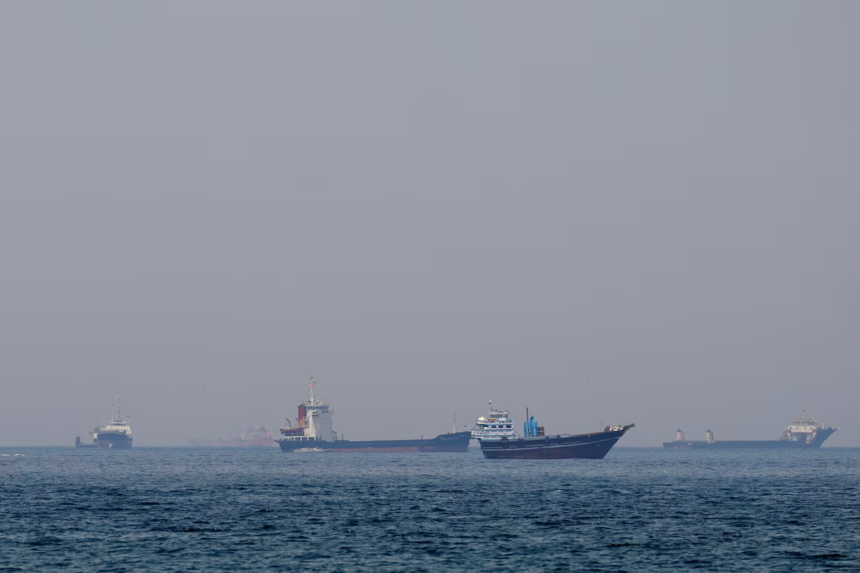
According to multiple reports, at least three vessels attempting to pass through the strait were targeted. Two of them were seized, while a third suffered damage during the confrontation. Iranian authorities claimed the ships had violated maritime rules, accusing them of operating without proper authorization and manipulating navigation systems. (AP News)
Crews safe but ships under pressure
Despite the intensity of the incident, early reports indicate that no casualties were recorded among the crew members. However, one vessel sustained visible damage, while others were forced into Iranian-controlled waters. The situation remains tense, with ships now caught in a high-risk zone where movement is heavily restricted. (Reuters)
Timing raises serious questions
What makes the attack more striking is its timing. The confrontation occurred just hours after the United States extended a ceasefire aimed at reducing tensions in the region. Instead of calming the situation, the latest move has added uncertainty and raised concerns about whether diplomacy is losing ground. (New York Post)



Strategic importance of the Strait
The Strait of Hormuz is not just another waterway. It carries around 20 percent of the world’s oil supply, making it one of the most vital trade routes on the planet. Any disruption here sends immediate shockwaves through global energy markets and supply chains. (AP News)
Impact on global markets and trade
Following the attack, oil prices showed signs of volatility as traders reacted to the increased risk. Shipping traffic in the area has already dropped sharply due to ongoing tensions, with many companies choosing to avoid the route altogether. This could lead to delays, higher shipping costs, and wider economic consequences. (Reuters)
Rising military and political tensions
The broader conflict between Iran, the United States, and its allies continues to intensify. A U.S. blockade on Iranian ports has added pressure, while Iran has responded with stricter control over ships entering the strait. Both sides appear locked in a cycle of action and reaction, making the situation unpredictable. (Fox News)
Disrupted diplomacy and stalled talks
Efforts to restart negotiations have struggled to gain momentum. Iran has signaled that it will not move forward with talks unless certain conditions are met, including the lifting of restrictions. Meanwhile, international mediators are trying to prevent further escalation, but progress remains slow. (AP News)
A region on edge
This latest incident highlights how fragile the situation has become. Even small actions now carry the risk of triggering wider conflict. With multiple countries involved and military forces operating in close proximity, the margin for error is extremely thin. (The Wall Street Journal)
What happens next
The coming days will be critical. If tensions continue to rise, further disruptions in shipping and energy supply are likely. On the other hand, renewed diplomatic efforts could still help ease the crisis. For now, the world is watching closely as one of its most important trade routes faces growing uncertainty.