




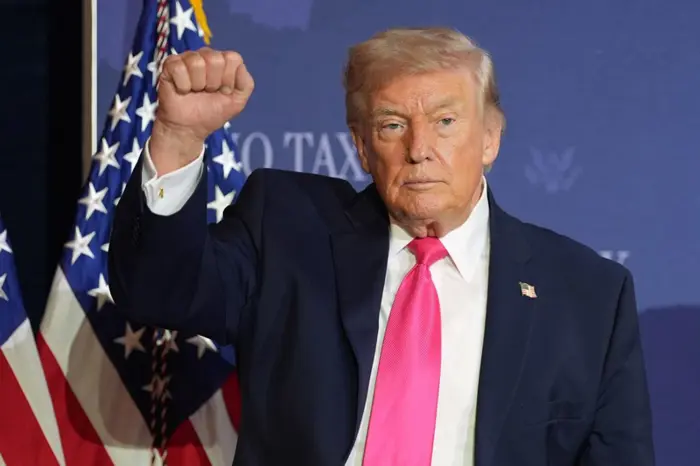
The conflict between the United States and Iran has taken another unexpected turn, as President Donald Trump announced an extension of the ongoing ceasefire. The decision came just before the truce was set to expire, offering a temporary pause in a war that has already caused significant destruction and instability across the region. The move signals a shift, at least for now, from military escalation toward cautious diplomacy. (Reuters)
Why the Ceasefire Was Extended
Trump stated that the extension is meant to give Iran more time to respond to negotiation proposals and possibly present a unified position. Reports suggest that international mediation, particularly from Pakistan, played a key role in convincing Washington to delay further military action. The extension is not tied to a fixed deadline, meaning it could continue until talks either succeed or completely collapse. (Axios)
Mixed Signals from Washington
Despite extending the ceasefire, the United States has not softened its overall stance. Trump has continued to issue warnings of severe military action if negotiations fail. At the same time, he has expressed hope that diplomacy could lead to a breakthrough. This dual approach, combining pressure with dialogue, has created uncertainty about Washington’s long-term intentions. (Reuters)
Iran’s Skeptical Response
Iranian officials have reacted cautiously, even dismissively, to the ceasefire extension. Some leaders argue that the move holds little value if it comes alongside continued military pressure, including naval blockades. Tehran has also warned that it could respond forcefully if provoked, making it clear that tensions remain dangerously high despite the pause in direct fighting. (Reuters)
A War with Global Consequences
The conflict, which began earlier this year with coordinated airstrikes, has already had far-reaching effects. Thousands have been killed, and key global trade routes, especially around the Strait of Hormuz, have been disrupted. This has pushed up oil prices and created uncertainty in international markets, showing how regional conflicts can quickly impact the global economy. (Reuters)
Diplomacy Under Pressure
Efforts to bring both sides to the negotiating table are ongoing, with talks expected to resume in Islamabad. However, progress has been slow, partly due to internal divisions within Iran’s leadership and shifting positions from the United States. Mediators are working to bridge the gap, but the lack of trust between both sides remains a major obstacle. (Axios)
Military Pressure Still in Place
Even with the ceasefire extension, the United States has maintained its naval blockade on Iranian trade routes. This strategy is seen as a way to keep economic pressure on Tehran while negotiations continue. Iran, however, views the blockade as a hostile act, further complicating any chance of reaching a peaceful agreement. (Reuters)
Uncertainty Over the Next Move
One of the biggest questions is whether Iran will formally agree to participate in the next round of talks. So far, there has been no clear commitment. Meanwhile, key U.S. officials have delayed travel plans related to negotiations, adding to the sense of unpredictability surrounding the situation. (New York Post)
A Delicate Balance Between War and Peace
The extended ceasefire highlights the fragile balance between continued conflict and a possible diplomatic resolution. While the pause offers hope, it also underscores how quickly the situation could deteriorate if talks fail. Both sides appear to be preparing for either outcome. (The Times of India)
What Comes Next
For now, the world watches closely as negotiations hang in the balance. The extended ceasefire provides a narrow window for diplomacy, but it is far from a guarantee of peace. Whether this moment leads to a lasting agreement or a return to conflict will depend on decisions made in the coming days. (The Guardian)