





A fresh warning from Iran has pushed already fragile US Iran relations closer to the brink. As nuclear negotiations struggle to hold, Tehran signaled it is ready to escalate if talks collapse. The message is clear, diplomacy is still alive, but only just. With a temporary ceasefire nearing its end, both sides appear locked in a tense standoff that could quickly turn into open conflict.
Iran’s Warning: “New Cards” on the Battlefield
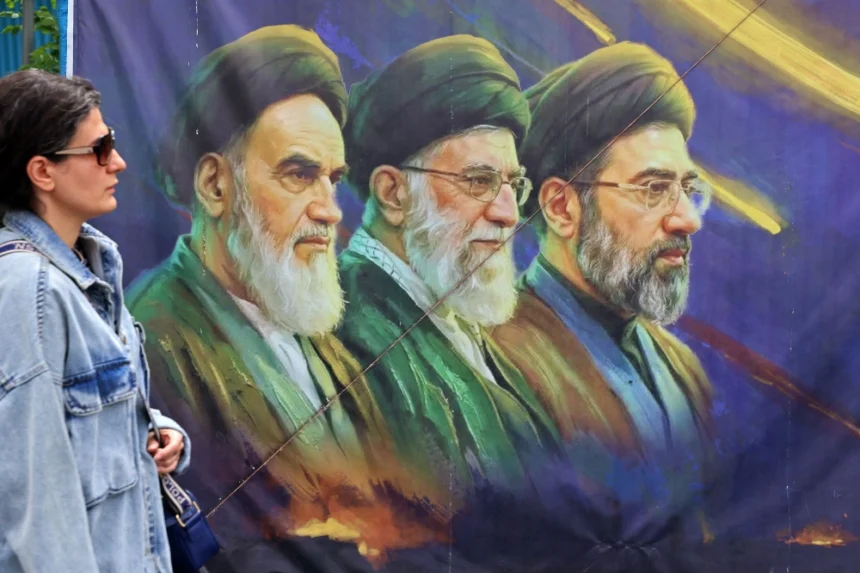
Iranian leadership has warned that it holds “new cards” it can deploy if negotiations fail. While details remain unclear, the statement suggests new military or strategic moves could be revealed. Officials stressed they will not negotiate under pressure, rejecting what they see as forced diplomacy. This signals a shift from cautious engagement to a more defiant posture.
Ceasefire Clock Adds Pressure
The situation is made more urgent by a short term ceasefire that is close to expiring. This pause in fighting was meant to create space for dialogue, but progress has been limited. If no agreement is reached soon, the region could slide back into active conflict. Analysts say the next few days are critical for deciding whether diplomacy survives or collapses.
Trump’s Hardline Approach Raises Stakes
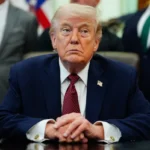
US President Donald Trump has taken a tough stance, warning of serious military consequences if Iran does not agree to terms. He has insisted that Iran must not develop nuclear weapons and has hinted at further strikes if talks fail. This approach has increased pressure but also deepened mistrust between the two sides.

Key Disputes Blocking Any Deal
At the heart of the conflict are major disagreements over Iran’s nuclear program and regional influence. The US wants strict limits on uranium enrichment and missile development, while Iran insists on its right to peaceful nuclear activity. Sanctions relief and control over strategic routes like the Strait of Hormuz remain major sticking points.
Regional Risks Continue to Grow
The broader Middle East is already feeling the impact of rising tensions. Trade routes have been disrupted, energy markets shaken, and fears of a wider war are growing. Any escalation could affect global oil supply and trigger economic shocks far beyond the region.
Peace Talks Hang in the Balance
Efforts are underway to bring both sides back to the negotiating table, with mediation attempts involving countries like Pakistan. However, Iran has not confirmed whether it will participate, especially under current conditions. This uncertainty adds another layer of risk to an already volatile situation.
A Dangerous Turning Point
Experts warn that this moment could define the future of US Iran relations. A breakthrough could stabilize the region, but failure may lead to a new phase of confrontation. With both sides signaling readiness for escalation, the margin for error is shrinking fast.
Global Impact Cannot Be Ignored
What happens next will not stay confined to one region. From energy prices to global security, the consequences of a breakdown in talks could ripple worldwide. Governments and markets alike are watching closely as events unfold.
Uncertain Days Ahead
For now, the world waits. Diplomacy is still possible, but time is running out. Whether negotiations succeed or fail, the coming days will likely shape the next chapter of this high stakes conflict.