





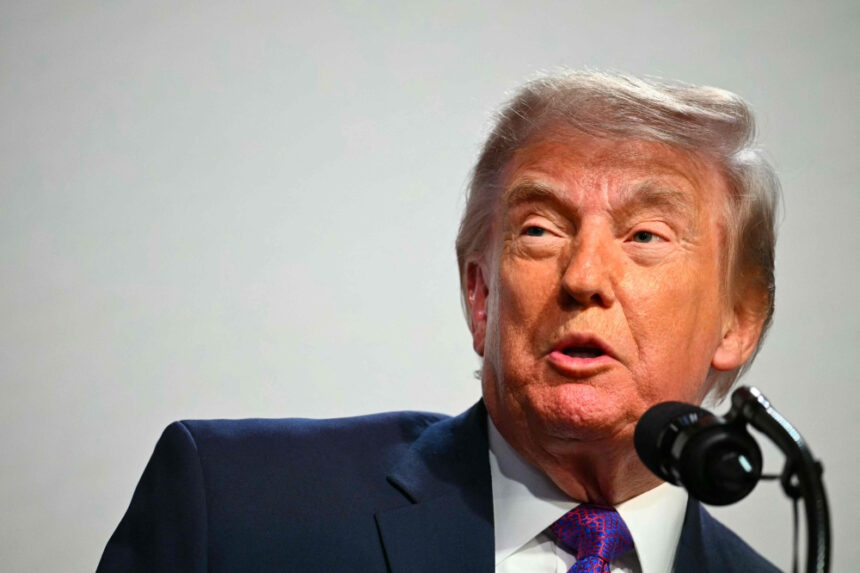
The world watched closely after former US President Donald Trump reportedly stopped a planned large scale military strike against Iran at the last moment. The dramatic decision came during an already fragile ceasefire linked to the ongoing Strait of Hormuz crisis. According to reports, Trump paused the operation after urgent diplomatic pressure from Gulf Arab nations that feared a wider regional war. The move has sparked intense debate across global political circles as fears of another major Middle East conflict continue to grow. (Malay Mail)
Trump Says Diplomacy Still Has a Chance
Trump claimed that negotiations with Iran were showing signs of progress, even though tensions remain extremely high. Gulf leaders from Qatar, Saudi Arabia, and the United Arab Emirates reportedly requested more time for peace discussions. Trump agreed to delay the strike temporarily, saying a diplomatic solution could still prevent further escalation. However, he also warned that military action could return “within minutes” if talks collapse. The Trump Iran strike delay immediately became one of the most discussed geopolitical developments worldwide. (The Sun)
Strait of Hormuz Remains a Global Flashpoint
The Strait of Hormuz continues to play a central role in the crisis. This narrow waterway handles a huge percentage of the world’s oil shipments, making it one of the most strategically important routes on Earth. Iran has repeatedly threatened to tighten control over the strait if attacked again. Global energy markets reacted sharply to the latest developments, with oil prices fluctuating as investors feared disruptions in supply. The Trump Iran strike delay temporarily eased market fears, but uncertainty still dominates the region. (The Economic Times)
Iran Sends Strong Warnings to Washington
Iranian officials responded cautiously but firmly after news of the delayed attack emerged. Tehran warned that any future US assault would trigger severe retaliation across the Gulf region. Iranian leaders also insisted that sanctions relief and security guarantees remain necessary before lasting peace can happen. The government accused Washington of increasing instability while simultaneously demanding negotiations. The Trump Iran strike delay may have prevented immediate conflict, but both sides remain deeply divided on key issues. (The Guardian)
Pakistan and Gulf States Step Into Mediation Role
An important part of the recent negotiations involved diplomatic mediation by Pakistan and several Gulf countries. Reports suggest that regional leaders fear the economic and humanitarian impact of another major war near the Strait of Hormuz. Pakistan has reportedly helped carry proposals between Tehran and Washington in an attempt to reduce tensions. The Trump Iran strike delay highlighted how regional powers are increasingly trying to avoid a direct military confrontation that could destabilize the wider Middle East. (Reuters)
Global Oil Markets Closely Monitor Every Move
Financial markets reacted immediately after reports confirmed the planned attack had been paused. Oil prices briefly dropped after fears of an immediate conflict eased. However, experts warn that the situation remains extremely fragile. Even small military incidents near the Strait of Hormuz can create major shocks for global energy supplies and international trade. Analysts believe the Trump Iran strike delay may only provide short term relief if deeper political disagreements are not resolved soon. (The Economic Times)
Uncertain Future Keeps World on Alert
Although the immediate danger of a massive strike appears reduced for now, the broader conflict remains unresolved. Both Washington and Tehran continue to exchange warnings while maintaining military readiness. Observers believe future negotiations will determine whether the region moves toward peace or returns to open confrontation. For now, the Trump Iran strike delay has bought valuable time for diplomacy, but the Middle East remains on edge as the world waits for the next move. (Reuters)