






Tensions between the United States and Iran are once again dominating global headlines after President Donald Trump warned that Tehran could face tougher military action if negotiations fail. The latest developments have raised fears of a deeper regional conflict, while world leaders closely monitor the growing crisis. The ongoing US Iran tensions have already affected oil markets, diplomatic talks, and security discussions across the Middle East. (Axios)
Trump delivers strong warning to Tehran
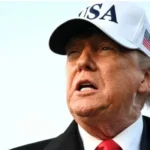
During a recent interview, Trump stated that “the clock is ticking” for Iran and claimed the United States is prepared to respond forcefully if Tehran refuses to compromise on its nuclear programme. According to reports, Trump has been pushing for a new agreement while also keeping military options open. His remarks immediately intensified debate around US Iran tensions and increased uncertainty in global markets. (Axios)
Nuclear dispute remains at the center
The central issue behind the renewed US Iran tensions is Iran’s nuclear programme. Washington believes Tehran is moving closer to expanding its nuclear capabilities, while Iranian officials insist their programme is peaceful. The disagreement has stalled diplomatic efforts and created a dangerous atmosphere in the region. Analysts say both sides are trying to avoid direct war, but neither appears willing to back down easily. (YouTube)
Middle East allies fear wider instability
Several Gulf nations are reportedly concerned that the worsening US Iran tensions could destabilise the broader Middle East. Energy routes, trade networks, and regional security partnerships may all be affected if the conflict escalates further. Reports also suggest that diplomatic channels remain active behind the scenes, with countries like Pakistan attempting to support dialogue between Washington and Tehran. (Axios)

Oil markets react to growing uncertainty
Global oil prices reacted quickly after Trump’s comments, with traders worried about potential disruptions in the Gulf region. The Strait of Hormuz remains one of the world’s most important oil routes, and any instability there could impact fuel prices worldwide. Experts believe continued US Iran tensions may increase economic pressure on both developed and developing countries if the crisis continues. (Axios)
Debate grows inside the United States
Trump’s aggressive position on Iran has also triggered debate inside the United States. Some lawmakers support stronger pressure on Tehran, arguing that Iran’s nuclear ambitions threaten global security. Others fear that military escalation could lead to another prolonged conflict in the Middle East. Political analysts say the administration faces increasing pressure to balance diplomacy with national security priorities as US Iran tensions continue to dominate foreign policy discussions. (Wikipedia)
Iran signals resistance against pressure
Iranian officials have repeatedly rejected American demands and warned that outside pressure will not force policy changes. Tehran has accused Washington of creating instability in the region and interfering in its domestic affairs. At the same time, Iranian leaders continue to stress that negotiations are only possible if sanctions and military threats are reduced. This deadlock has made resolving US Iran tensions increasingly difficult. (Wikipedia)
World watches closely as crisis deepens
The international community is now watching carefully to see whether diplomacy can prevent another dangerous confrontation. Experts believe even a small military incident could rapidly increase tensions across the region. For now, both Washington and Tehran appear locked in a high stakes political struggle with serious global consequences. As uncertainty grows, the future of US Iran tensions may shape international politics and economic stability for months to come. (Axios)