






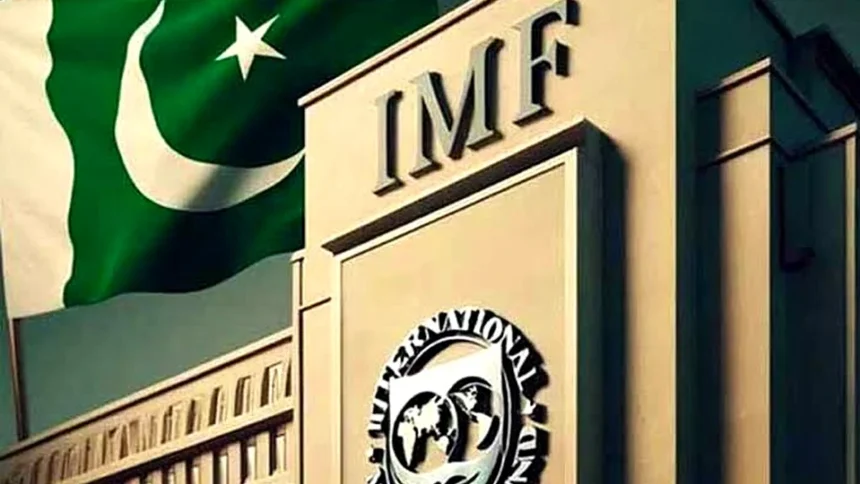
Pakistan and the International Monetary Fund have reached an important understanding aimed at stabilizing the country’s struggling economy. The Pakistan IMF agreement includes commitments to maintain a tight monetary policy, improve tax collection, and reduce fiscal deficits. Economic analysts believe the move could strengthen investor confidence, although it may also increase financial pressure on ordinary citizens. (dawn.com)
Tight Monetary Policy to Continue
Officials involved in the negotiations emphasized the need to continue a strict monetary policy to control inflation and stabilize the Pakistani rupee. The State Bank of Pakistan is expected to maintain a cautious approach toward interest rates in the coming months. Under the Pakistan IMF agreement, the central bank will continue making independent decisions focused on economic stability. (reuters.com)
Higher Revenue Targets Planned for the Next Budget
The government is reportedly preparing new measures to collect an additional Rs860 billion in revenue during the next fiscal year. Authorities are focusing on improving sales tax collection, agricultural income taxation, and digital tax monitoring systems. The Pakistan IMF agreement also encourages stricter enforcement to reduce tax evasion and broaden the tax base. (dawn.com)
Subsidy Cuts and Spending Reforms Expected
While the government plans to continue social welfare programs, officials are also under pressure to reduce unnecessary spending. Reports suggest that support under the Benazir Income Support Programme may increase to help vulnerable families cope with inflation. At the same time, energy subsidies could be reduced, and petroleum levies may rise as part of the broader reform strategy. (dawn.com)

Global Institutions Show Renewed Confidence
Economic experts say the Pakistan IMF agreement could help restore confidence among global lenders and investors. Following the latest negotiations, Pakistan gained access to additional financial assistance that may strengthen foreign exchange reserves. However, analysts warn that loans alone will not solve the country’s economic challenges without long term structural reforms and industrial growth. (reuters.com)
Impact on Businesses and Consumers
The continuation of tight monetary policy is likely to affect both businesses and consumers across Pakistan. Higher interest rates may make loans more expensive, while new tax measures could increase operating costs for companies. Experts believe these policies may create short term economic pain, but they could also build a stronger foundation for future stability. The Pakistan IMF agreement remains central to the government’s broader economic recovery strategy. (reuters.com)
Government Faces Major Economic Test
Prime Minister Shehbaz Sharif and his administration are now facing a major political and economic challenge. The upcoming federal budget will need to balance IMF demands with public expectations for relief from inflation and unemployment. Privatization reforms, spending cuts, and stronger tax enforcement are expected to remain key priorities. (en.wikipedia.org)
Conclusion: Stability or More Economic Pressure?
The Pakistan IMF agreement could become a turning point for the country’s economy. If the government successfully implements tax reforms, improves transparency, and maintains fiscal discipline, Pakistan may move closer to long term economic stability. However, rising taxes, reduced subsidies, and continued inflation could increase financial pressure on millions of citizens. The coming months will determine whether these reforms lead to recovery or deeper economic hardship.