





Under Tim Cook, Apple’s growth was staggering. The company’s value jumped from about $350 billion in 2011 to nearly $4 trillion by 2025. This kind of expansion is rare, even in Silicon Valley. Cook leaned heavily on operational efficiency and long-term planning, helping Apple deliver massive returns to investors while maintaining consistent profitability. (TechCrunch)
Beyond iPhones: Building a Services Powerhouse
Cook didn’t just rely on hardware. He pushed Apple into services like streaming, payments, and subscriptions. Platforms such as Apple Music and Apple TV+ helped reduce dependence on the iPhone. This shift created a steady revenue stream and made Apple more resilient in changing markets. It also reshaped how users interact with the Apple ecosystem daily. (The Guardian)
The China Strategy That Changed Everything
One of Cook’s boldest moves was doubling down on China. He strengthened manufacturing partnerships and expanded Apple’s presence in the region. China became both a production hub and a major market, contributing tens of billions in revenue. However, this strategy came with trade-offs, including regulatory compromises and political scrutiny. (Business Insider)
Apple Silicon: A Game-Changing Shift
Perhaps Cook’s most important technical decision was moving away from Intel chips to Apple’s own silicon. The launch of in-house processors like the M-series chips transformed Mac performance and efficiency. This shift gave Apple tighter control over its hardware and software, setting a new benchmark for the industry. (The Times of India)
Innovation vs Criticism: The AI Question
Despite many successes, Cook’s era faced criticism, especially in artificial intelligence. Rivals moved faster in generative AI, while Apple took a slower, more cautious approach. Projects like Apple Intelligence show promise, but some analysts argue the company lost its early lead. This remains one of the biggest challenges for Apple’s future leadership. (MarketWatch)
Privacy Champion or Strategic Compromiser?
Cook positioned Apple as a leader in user privacy, often challenging governments and tech rivals. Features like App Tracking Transparency reinforced this image. Still, critics point out that Apple made concessions in countries like China to maintain market access, creating a mixed legacy on privacy. (The Guardian)
A Leadership Style That Redefined Apple Culture
Unlike Jobs, Cook led with calm and collaboration. He reduced internal rivalries and built a more structured organization. This approach helped Apple scale globally without losing stability. While less flashy, his leadership style proved effective in sustaining long-term growth. (Wikipedia)
The Transition: A New Chapter Begins
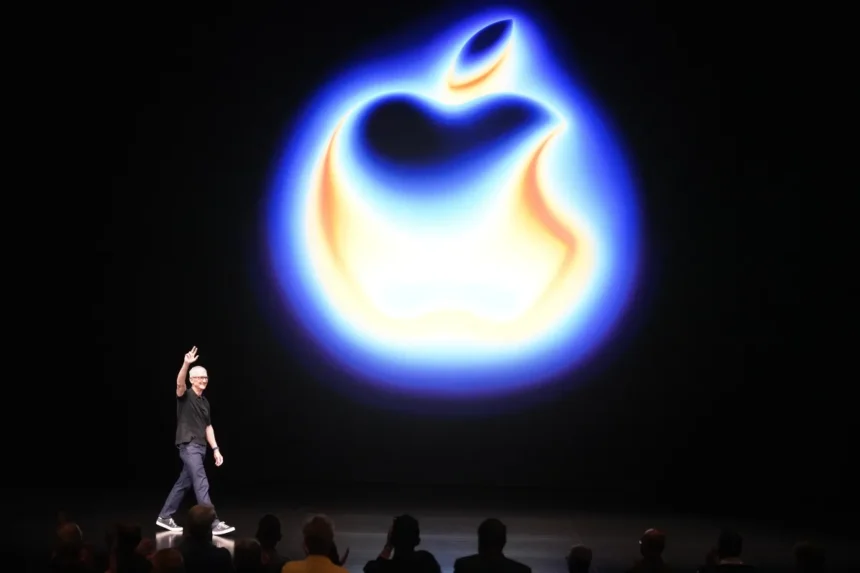
After nearly 15 years, Cook is stepping down as CEO and will move into an executive chairman role. John Ternus is set to take over, marking a shift back toward engineering-focused leadership. The transition signals a new phase, especially as Apple faces pressure to lead in AI and next-generation technologies. (TechCrunch)
Legacy: Stability Over Flash, Scale Over Hype
Tim Cook may not have been the showman that Jobs was, but his impact is undeniable. He turned Apple into a financial powerhouse, expanded its global reach, and built a deeply integrated ecosystem. His legacy is one of discipline, scale, and steady growth, setting the stage for whatever comes next. (The Times of India)