







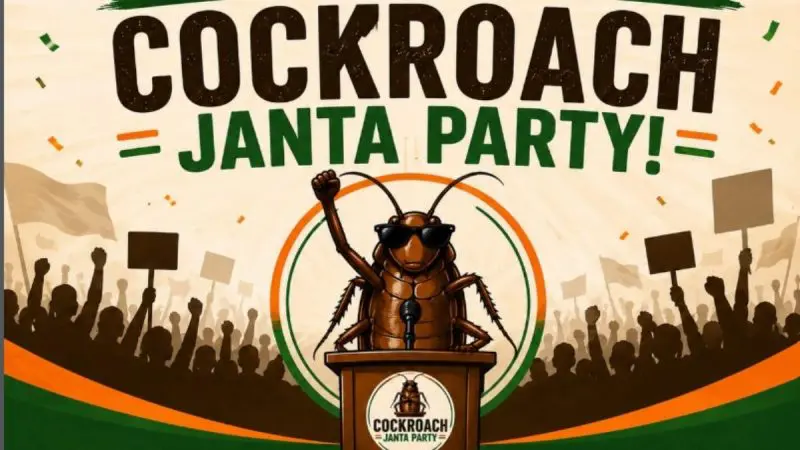
A satirical online movement called the Cockroach Janta Party has exploded across India’s social media landscape, turning anger and frustration into a powerful digital protest. What started as a reaction to controversial comments made by a senior Indian judge has now become a nationwide talking point, especially among young people struggling with unemployment and political disappointment. The unusual name, humorous memes, and sharp political commentary have helped the movement gain millions of followers within days. (Al Jazeera)
Chief Justice’s Remarks Trigger Massive Backlash
The controversy began after India’s Supreme Court Chief Justice Surya Kant reportedly compared some unemployed youth to “cockroaches” and “parasites” during a court hearing. The remarks quickly sparked outrage online, with many people accusing the judiciary of insulting struggling young citizens. Although the judge later clarified that his comments targeted people using fake degrees rather than unemployed youth in general, the backlash had already grown into a major online protest. (Reuters)
Cockroach Janta Party Turns Humor Into Protest
The Cockroach Janta Party was founded by Abhijeet Dipke, a 30 year old public relations graduate based in the United States. Instead of responding with anger alone, the group used satire and memes to challenge the political system. Their social media pages describe the movement as the “Voice of the Lazy and Unemployed,” a slogan that quickly connected with India’s Gen Z audience. Supporters argue that humor has become a safer and more creative way to criticize authority in an increasingly tense political climate. (Reuters)
Millions Join the Viral Digital Movement
Within just a few days, the Cockroach Janta Party attracted millions of Instagram followers, reportedly surpassing even the ruling Bharatiya Janata Party’s online numbers. Hundreds of thousands of people also signed up for membership forms shared online. Political figures, former bureaucrats, and social media influencers publicly interacted with the campaign, giving it even more visibility. Many users viewed the movement as a rare example of young Indians openly expressing frustration with unemployment, inflation, and the lack of opportunities. (Reuters)


Gen Z Uses Memes to Challenge the System
The rise of the Cockroach Janta Party reflects a broader shift in how India’s younger generation engages with politics. Instead of traditional rallies or speeches, many young people now use memes, satire, and online campaigns to express political opinions. Analysts say this digital activism allows frustrated citizens to discuss serious problems in a format that spreads quickly and feels relatable. The movement’s sarcastic manifesto and humorous slogans have helped transform political criticism into viral internet culture. (The Economic Times)
Critics and Supporters Debate Its Real Impact
Not everyone believes the Cockroach Janta Party can create lasting political change. Critics argue that the movement may remain only a social media trend with little real world influence. However, supporters insist the campaign has already succeeded by opening discussions about youth unemployment, fear of speaking openly, and distrust in institutions. Some protesters have even appeared dressed as cockroaches during demonstrations, turning satire into street level symbolism. (AP News)
India’s Youth Frustration Comes Into Public Focus
India has one of the world’s youngest populations, yet unemployment remains a major concern for millions of graduates and job seekers. Reports show that many young Indians feel disconnected from mainstream political parties and ignored by leaders. The sudden popularity of the Cockroach Janta Party highlights this growing frustration. For many supporters, the movement is not really about cockroaches at all. It is about demanding dignity, respect, and attention from those in power. (Reuters)
Satire Becomes a Symbol of Resistance
The Cockroach Janta Party may have started as an internet joke, but it has evolved into a serious symbol of political dissatisfaction among India’s youth. By turning an insult into a movement, supporters have shown how satire can become a form of resistance in the digital age. Whether the campaign fades away or develops into something larger, it has already forced India to confront uncomfortable questions about unemployment, free expression, and the relationship between citizens and authority. (Al Jazeera)