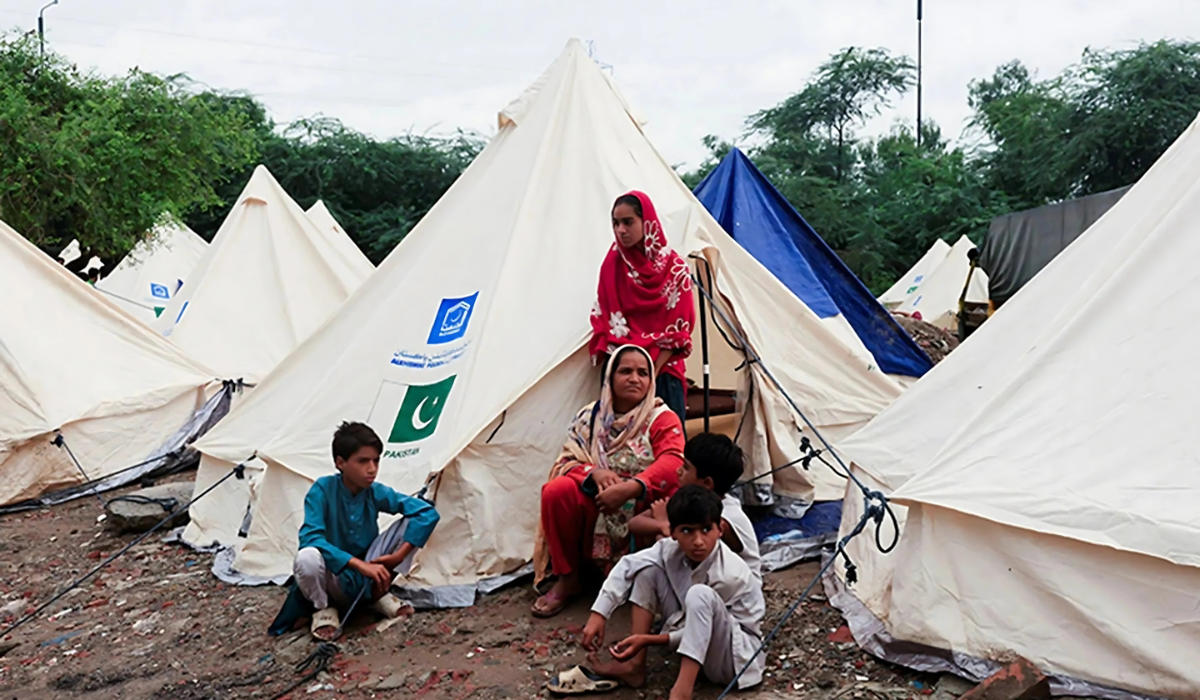
In a sweltering former classroom turned relief camp in Chung, on Lahore’s outskirts, pregnant women—clad in muddy, unwashed clothes—huddle together, eyes heavy with both exhaustion and silent despair. The floor is dirtied with stains of hardship and fear. Over 2,000 displaced people cram into this makeshift shelter, surrounded by murky rainwater and the weight of an uncertain future.Dawn+1
Among them is 19-year-old Shumaila Riaz, now seven months pregnant, confined in this cramped camp for the past four days. She endures relentless cramps, each wave of pain a reminder that even before birth, both her life and the life she carries hang in the balance. “I wanted to think about the child I am going to have,” she whispers, “but now, I am not even certain about my own future.”Dawn
Nearby, Fatima—also in her teens and expecting her second child—reinforces the harrowing truths of displacement. “My body aches a lot and I can’t get the medicines I want here,” she says. A mother to a one-year-old, she mourns the daily freedoms lost: eating, sleeping, walking—simple liberties now out of reach.Dawn+1
Outside, more than two million people across Punjab have been affected as swollen rivers breach their banks during relentless monsoon rains. In response, authorities have mounted Punjab’s largest rescue operation in history—evacuating around 750,000 people, with 115,000 plucked from danger by boat.Dawn+1
Yet despite the scale of relief efforts, one critical group remains largely overlooked: women. Basic necessities like sanitary pads and clean clothes are scarce. Many are forced to wear soiled garments stained with menstrual blood, heightening their sense of shame and deterioration.Dawn+1
Aleema Bibi, aged 35, cradles her baby on a mud-stained sheet as she reveals the indignity of managing menstruation amid chaos. “We struggle to get pads when we have our period. And even if we do, there are no proper bathrooms to use.” To find a semblance of privacy, she must enter nearby homes after the men leave—simply to rinse and change.Dawn+1
Jameela—a woman who chooses to be identified only by one name—ventures into a makeshift bathroom next to a cowshed. She waits for the men to leave before entering, fighting for a scrap of dignity. “We wait for men in these homes to leave, so that we can go use the bathrooms and change our pads,” she shares.Dawn+1
Medical help arrives from a mobile clinic run by a local NGO. Doctor Fahad Abbas, 27, sees 200 to 300 flood-related cases daily. He warns of escalating waterborne diseases—diarrhea, skin infections—and trauma inflicted upon women and children who’ve lost their homes and dignity.Dawn+1
Loss and illness are compounded by the bigger picture: this monsoon season has already claimed more than 850 lives across Pakistan since June, with at least 32 deaths recently reported. Climate change has rendered the once predictable monsoon dangerously unstable.Dawn+1
Amid devastation, the plight of pregnant and menstruating women stands neglected in public narratives—even as their needs are urgent and deeply human. Imagine being seven months pregnant, laboring under physical strain, anxiety, and inadequate medical care. The absence of proper maternal support in such fragile moments is not just neglect—it’s a violation of basic rights.
The tragedy stretches deeper. Menstruation remains taboo in many parts of Pakistan, shrouded in shame and silence. When misfortune strikes, compounded by natural disaster, these stigmas become literal barriers between women and their fundamental needs.
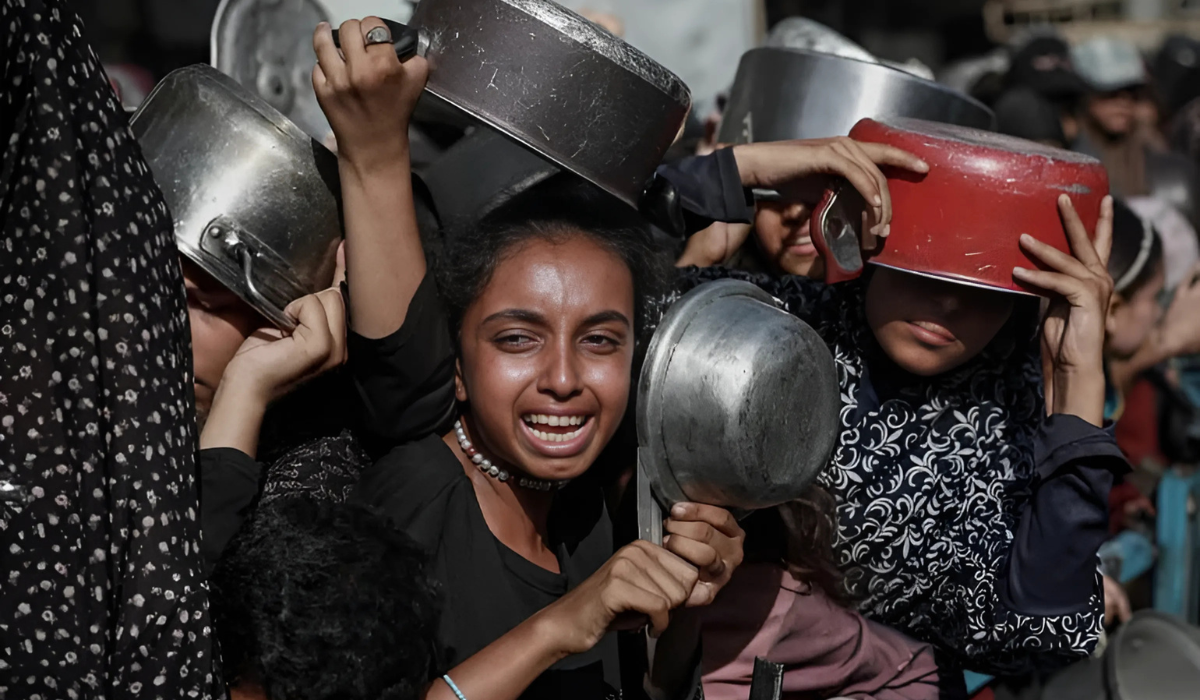
Yet, in the hushed cries and muddy queues of Chung, small acts of resilience flicker. A volunteer distributes food to those stranded; women gather en masse to share whispered stories of lost chairs, cradles, and homes; Dr. Abbas treats each patient with compassion that plain necessity demands.Dawn
But aid must become more inclusive, more sensitive. Relief must supply menstrual hygiene products, establish secure and clean washing areas, extend pregnancy-specific medical services, and provide psychological support. Only then can we begin to uphold the dignity of the women who bear the heaviest burden in disasters not of their making.